





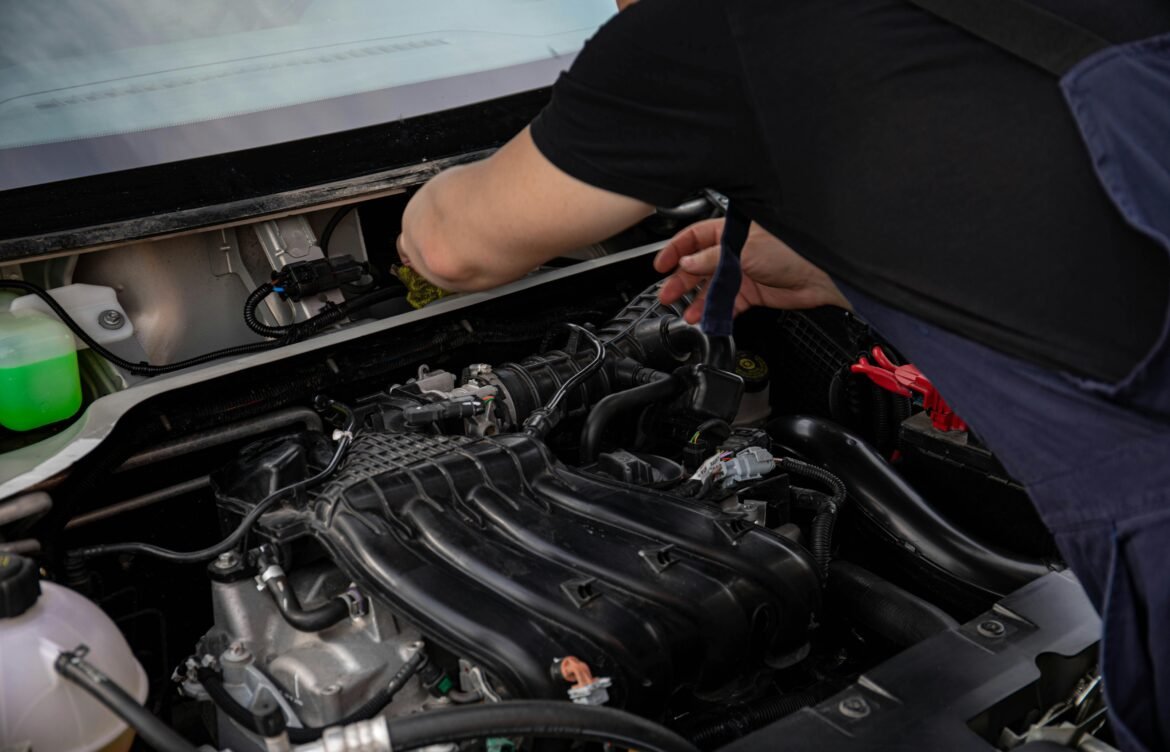
Engine Break-In: How to Break In a New Crate Engine
Breaking in a new engine means running it carefully for its first start and first period of use, so the piston rings seat against the cylinder walls and the moving parts wear in together. In general: prime the oiling system before the first start, confirm oil pressure and look for leaks, vary engine speed and load instead of idling or cruising at one speed, avoid full throttle and heavy loads until the break-in period is over, and change the oil and filter early. The exact steps, speeds and times come from the engine manufacturer’s break-in instructions, and those always take priority over general advice, including this guide.
Why a new engine needs a break-in
- Piston rings: new rings and freshly honed cylinder walls are not yet a perfect match. Cylinder pressure pushes the rings against the walls, and controlled load during the first miles wears them together so they seal. Rings that do not seat let oil past and lose compression.
- Camshaft and lifters: on a flat tappet camshaft, each lifter face wears in against its cam lobe during the first minutes of running. That is the most failure-prone part of a break-in.
- Bearings and the rest: bearings, gears and seals settle in, and any debris left from assembly is carried to the oil filter, which is why the first oil change comes early.
Before the first start
- Fill the engine with the oil the manufacturer specifies and prime the oiling system, so there is oil pressure at the bearings before the engine fires. How you prime depends on the engine; follow the maker’s method.
- Fill and bleed the cooling system, and check that the fan and radiator work.
- Check the fuel system for leaks and correct pressure before cranking, especially a new EFI system. See carburetor vs fuel injection.
- Set the base ignition timing or load the correct EFI calibration so the engine starts quickly. Long cranking without starting washes oil off the cylinder walls.
- Have gauges or a scan tool ready to watch oil pressure, coolant temperature and, on EFI engines, the air/fuel ratio.
Engine break-in procedure: the first start and first miles
- First start: watch the oil pressure immediately. If there is none, shut the engine off and find the cause before restarting.
- Flat tappet engines: run the camshaft break-in exactly as the cam or engine maker specifies, which normally means holding a raised engine speed for a set time rather than idling.
- Check everything: after the first run, look for oil, coolant and fuel leaks, recheck the ignition timing and fluid levels, and let the engine cool.
- First miles: drive with varied throttle and engine speed. Moderate acceleration followed by deceleration in gear loads the rings and then draws oil back onto the cylinder walls. Avoid long periods at one steady speed, lugging the engine at very low RPM, long idling, towing and full-throttle runs until the break-in period in your instructions is finished.
- First oil change: change the oil and filter at the early interval the manufacturer gives, and check the old filter for metal or debris.
This guide deliberately gives no engine speeds, times or distances. They depend on the engine, the camshaft and the oil, and the manufacturer’s figures are the ones to use.
Flat tappet vs roller camshaft break-in
A flat tappet camshaft has lifters with a flat face that slides on the cam lobe, so lifter and lobe must wear in together under high contact pressure. These engines need the camshaft break-in run and an oil with enough anti-wear additive (zinc and phosphorus, often called ZDDP). A roller camshaft uses lifters with a small wheel that rolls on the lobe, so there is no lobe-and-lifter wear-in. Roller engines still need the ring break-in, but not the camshaft break-in run.
In our catalog, 28 crate engine listings describe hydraulic roller camshafts or lifters, including BluePrint, GM Performance and Quicksilver engines. Many other listings do not state the camshaft type in their description, so check the manufacturer’s documentation before the first start. Browse all crate engines.
Break-in oil
- Break-in oils are conventional (mineral) oils with extra zinc and phosphorus anti-wear additives, made for flat tappet camshafts and to help new rings seat.
- Many engine makers specify the oil to use, and for roller-cam engines that is often a regular conventional oil. Use what the instructions call for, in the viscosity they give.
- Synthetic oil is often recommended only after break-in, because its low friction can slow ring seating. Some factory engines are filled with synthetic from new, so again, follow the manufacturer.
EFI, supercharged, race and dyno-tested engines
- EFI engines: a mixture that is too lean or too rich during break-in can damage rings or wash the cylinder walls, so confirm the calibration and watch the air/fuel ratio.
- Supercharged engines such as the GM Performance LT4: keep boost and load low for the whole break-in period the maker gives. See the LT4 engine guide.
- Sealed and circle-track engines: follow the engine builder’s and the racing series’ break-in procedure.
- Dyno-tested engines: BluePrint marks many engines as dyno tested in their specification tables. A dyno run does not by itself mean the break-in is finished, so follow the break-in instructions supplied with the engine.
New outboard motors
New outboards have a break-in period too, which usually limits throttle and long runs at one speed for the first hours of use. The Suzuki and Honda owner’s manuals give the steps for each model. After that, follow our outboard motor maintenance checklist. Shop outboard motors.
More reading: what is a blueprinted engine.
Frequently asked questions
How long does it take to break in a new engine?
It depends on the engine, so use the time or distance in the manufacturer’s break-in instructions. The first start and, on flat tappet engines, the camshaft break-in run are the most critical part; ring seating continues over the first period of driving.
Do roller cam engines need a break-in?
They do not need the flat tappet camshaft break-in run, but the piston rings still need to seat, so follow the manufacturer’s break-in for the first miles and change the oil early.
Do I need break-in oil for a new crate engine?
Use the oil the engine maker specifies. Break-in oil with extra zinc and phosphorus is the usual choice for flat tappet engines; many roller-cam engines specify a conventional oil instead.
Can you break in an engine with synthetic oil?
Many builders avoid synthetic oil during break-in because its low friction can slow ring seating, but some manufacturers fill engines with synthetic from new. Follow the instructions for your engine.
Should you let a new engine idle during break-in?
Avoid long idling. Idling puts little pressure on the rings, and on a flat tappet engine it can starve the cam lobes of oil during the camshaft break-in.
Related: what is a crate engine?, long block vs short block, horsepower vs torque, dry sump vs wet sump, roller cam vs flat tappet, lobe separation angle, all guides.
Comments