

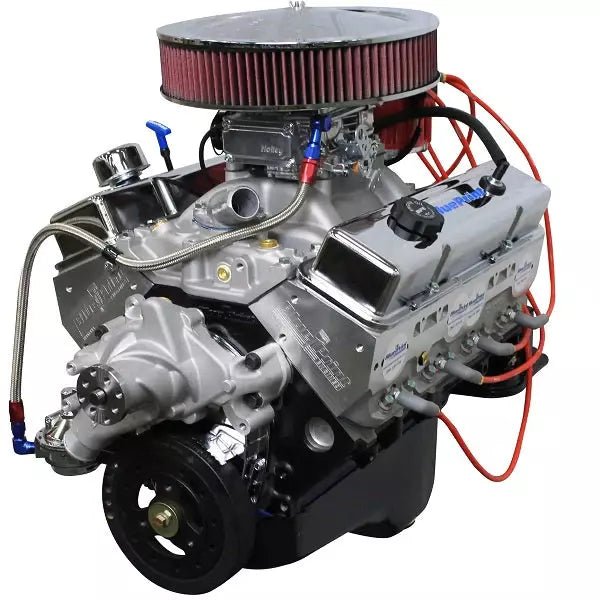
Chevy Firing Order: SBC 350, Big Block 454 and LS Engines
The small block Chevy 350 and big block 454 fire 1-8-4-3-6-5-7-2 with a clockwise distributor. LS engines fire 1-8-7-2-6-5-4-3. Here is how the cylinders are numbered and how to wire them.



The small block Chevy 350 and big block 454 fire 1-8-4-3-6-5-7-2 with a clockwise distributor. LS engines fire 1-8-7-2-6-5-4-3. Here is how the cylinders are numbered and how to wire them.
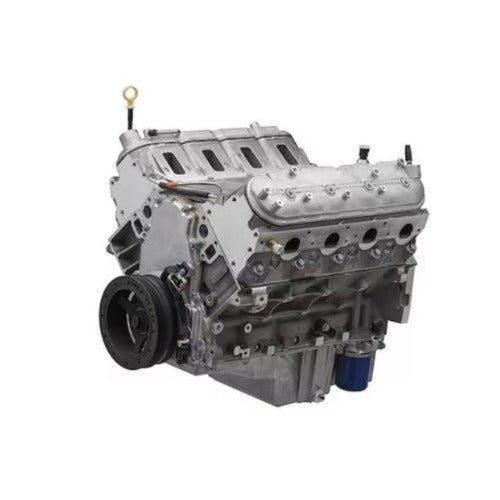
The GM LS family covers the Gen III and Gen IV small-block V8s from the LS1 to the supercharged LS9. Here is how the main engines compare and which ones are sold as crate engines today.
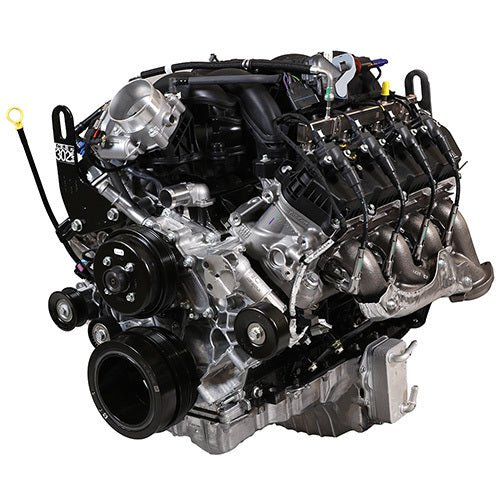
The Ford 7.3L Godzilla is a large-displacement pushrod gasoline V8 from the Super Duty trucks, rated at 430 HP and 475 lb-ft. Here are its specs, the crate engine and block, and what a swap

Two-stroke outboards are lighter and simpler; four-strokes are quieter, cleaner and more fuel efficient. Here is how they compare and which suits your boat.
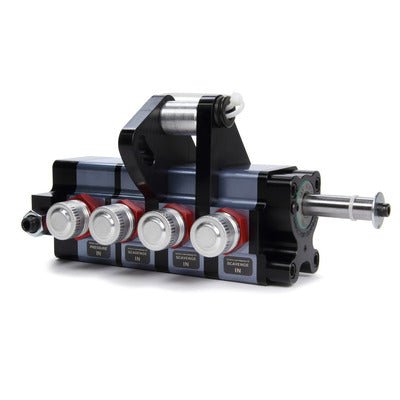
A wet sump stores oil in the oil pan; a dry sump stores it in a separate tank and uses a multi-stage pump. Here is how they compare and when a dry sump is worth it.
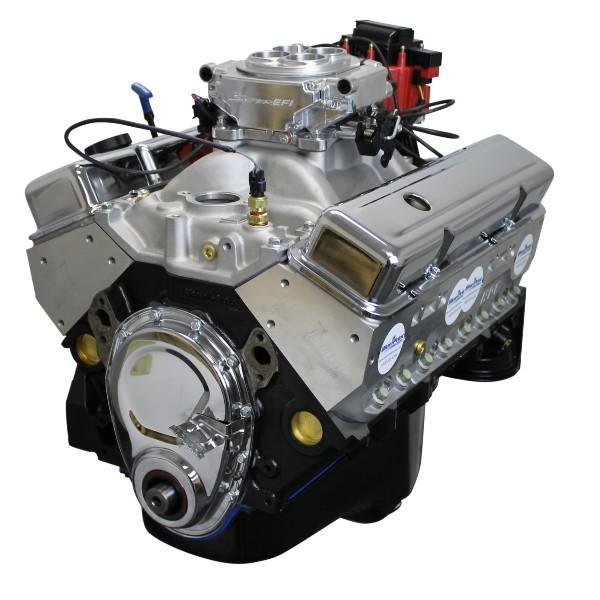
A carburetor mixes fuel and air mechanically, while fuel injection meters fuel electronically. Here is how they compare for drivability, cost and tuning, and how to choose a carbureted or EF
An LS swap puts a GM LS V8 into a vehicle that came with something else. Here is the parts checklist, from choosing the engine to the ECU, fuel system and accessory drive.

Outboards come in standard shaft lengths: 15 inch short, 20 inch long and 25 inch extra long. Measure your transom height to choose the right one.
A crate engine is a complete engine assembled by the manufacturer and shipped ready to install. This guide covers dressing levels, engine families and what to check before you buy.

A short block is the bottom end of an engine, a long block adds the cylinder heads and valvetrain, and a complete crate engine adds the intake, fuel and ignition. Here is what each includes